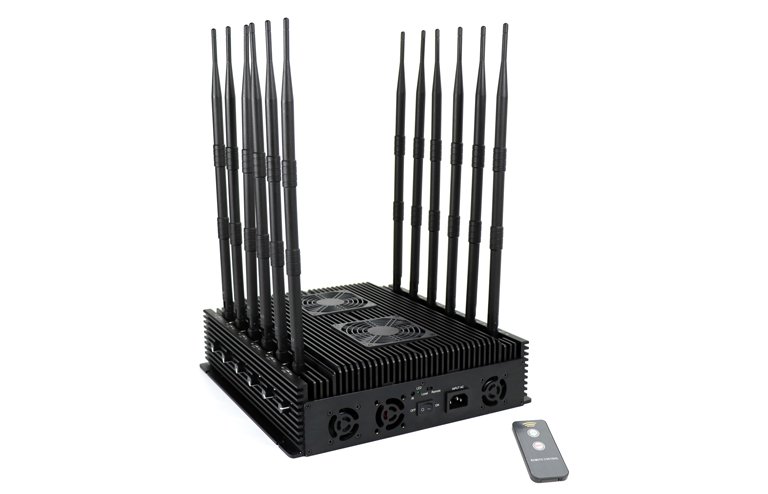

How does the signal jammer work?
Signal Jammer: What Is It and How Does It Work?
Introduction
Wireless communication has become an essential part of modern life. Smartphones, Wi-Fi networks, GPS navigation, Bluetooth devices, and other wireless technologies all rely on radio-frequency signals to exchange information.
Because these systems depend on radio waves, interference can affect the ability of a device to communicate. One technology associated with intentional interference is commonly known as a signal jammer.
But what exactly is a signal jammer? How does signal interference work? What types of wireless communication can potentially be affected?
This guide explains the basic technology behind signal jamming in simple terms while also discussing safety, privacy, and legal considerations.
What Is a Signal Jammer?
A signal jammer is a device designed to interfere with wireless communications by transmitting radio-frequency energy.
Wireless devices communicate by sending and receiving signals over particular portions of the radio spectrum. When unwanted RF energy interferes with those communications, a receiving device may have difficulty establishing or maintaining a connection.
The Federal Communications Commission describes jammers as radio transmitters designed to block, jam, or otherwise interfere with authorized radio communications.
Unlike ordinary wireless devices, which are designed to communicate with specific networks or devices, intentional jamming is designed to interfere with communication.
How Does Signal Interference Work?
To understand signal jamming, it helps to understand how wireless communication works.
A wireless transmitter sends information using radio waves. A receiver detects those signals and processes the information.
For communication to work properly, the desired signal needs to be sufficiently distinguishable from background noise and interference.
If unwanted RF energy becomes strong enough relative to the desired signal, communication may become unreliable.